Understanding Drywall: What Every Homeowner Should Know
If you're a homeowner in Matawan, NJ, looking to renovate or repair your home's interiors in 2026, understanding the basics of drywall is crucial. While drywall is a staple in modern construction, its technicalities can seem daunting to non-experts. This guide will break down essential drywall concepts into simple terms, helping you make informed decisions about your next project.
What Exactly is Drywall?
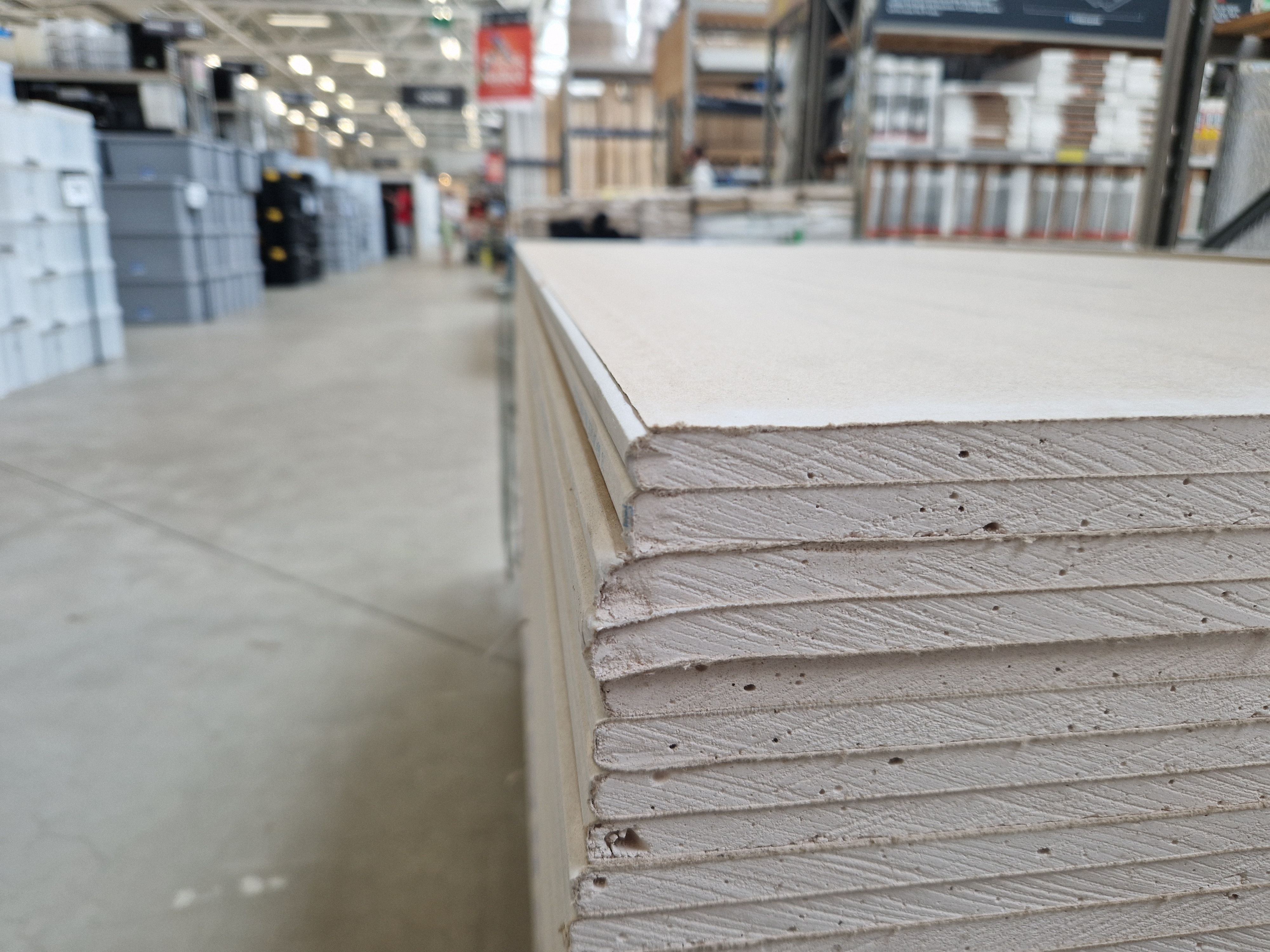
Drywall, often referred to as gypsum board or sheetrock, is a building material used to create walls and ceilings. It's made from gypsum plaster sandwiched between two thick sheets of paper. This design provides durability and ease of installation, making it a popular choice for interior walls.
Why is Drywall Preferred?
Drywall is favored for several reasons:
- Cost-effectiveness: Compared to plaster, drywall installation is quicker and more affordable.
- Versatility: It can be painted, wallpapered, or textured to match any interior design.
- Fire Resistance: Gypsum's natural properties make drywall a fire-resistant option, enhancing home safety.
Basic Drywall Components
Understanding the components of drywall can help you communicate more effectively with contractors and make informed choices. Here’s a simple breakdown:
The Panels
Drywall panels come in various sizes and thicknesses. The most common thickness for residential projects is 1/2 inch. However, for ceilings or soundproofing, thicker panels might be used.
Joint Compound
This is a paste used to fill in gaps between drywall panels, ensuring a smooth surface. It's often referred to as "mud." Proper application is key to achieving seamless walls.
Tapes
Drywall tape is applied over joint compound to reinforce seams and prevent cracks. There are paper and mesh tapes, each with specific uses.
The Drywall Installation Process Simplified
While professional contractors handle the intricate details, understanding the basic steps of drywall installation can demystify the process:
1. Framing
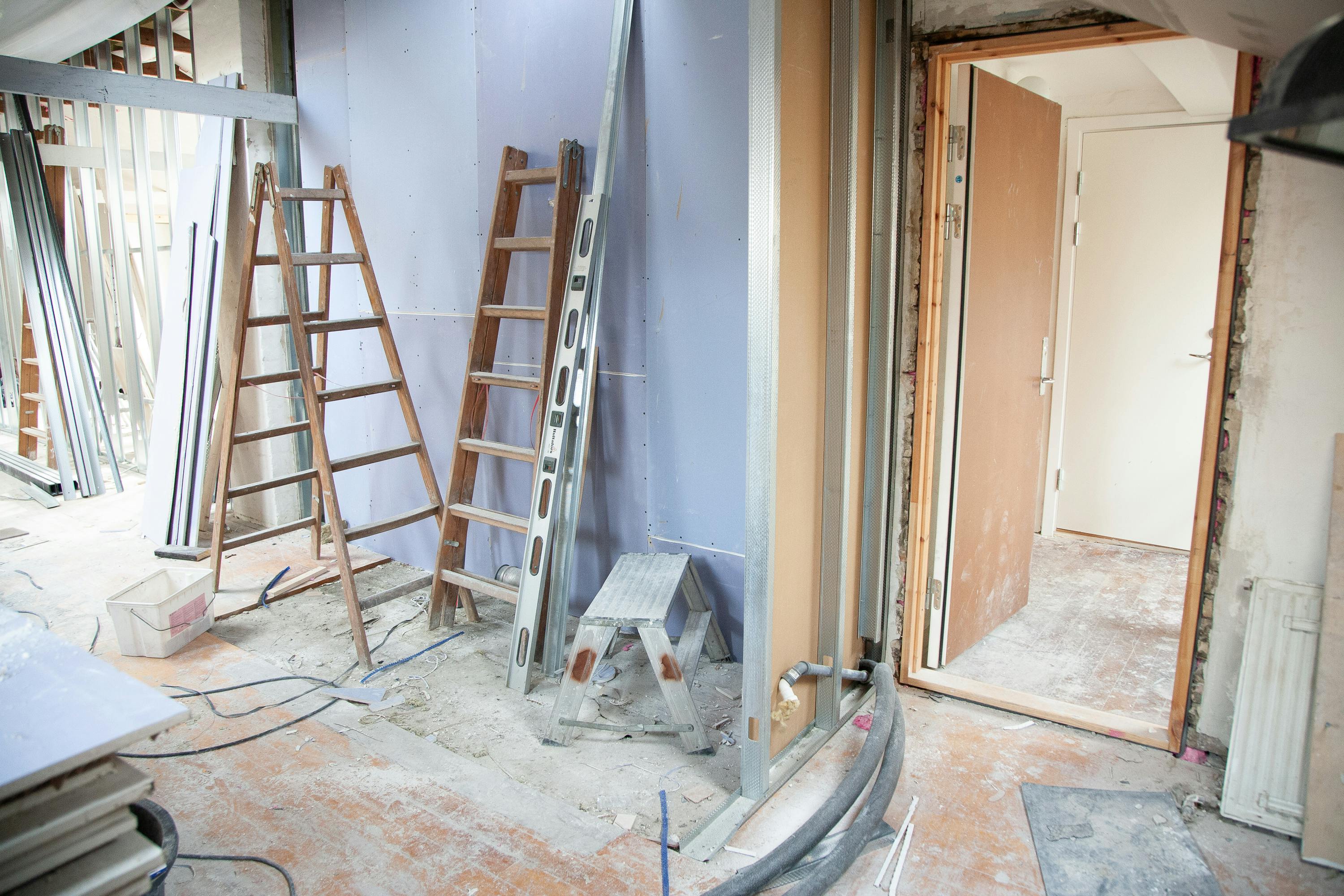
Before drywall installation, a wooden or metal framework is constructed. This framework supports the drywall panels.
2. Hanging Drywall
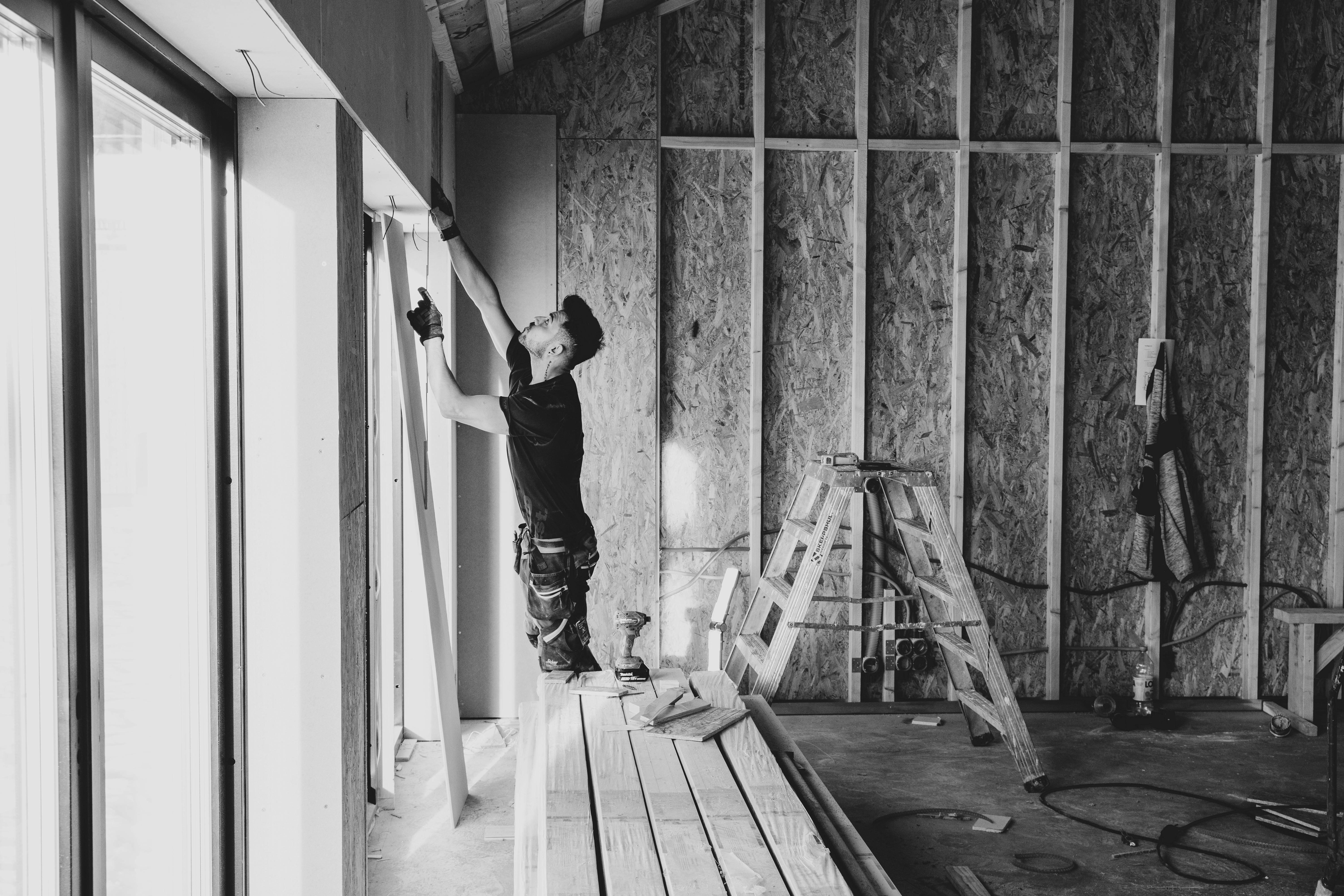
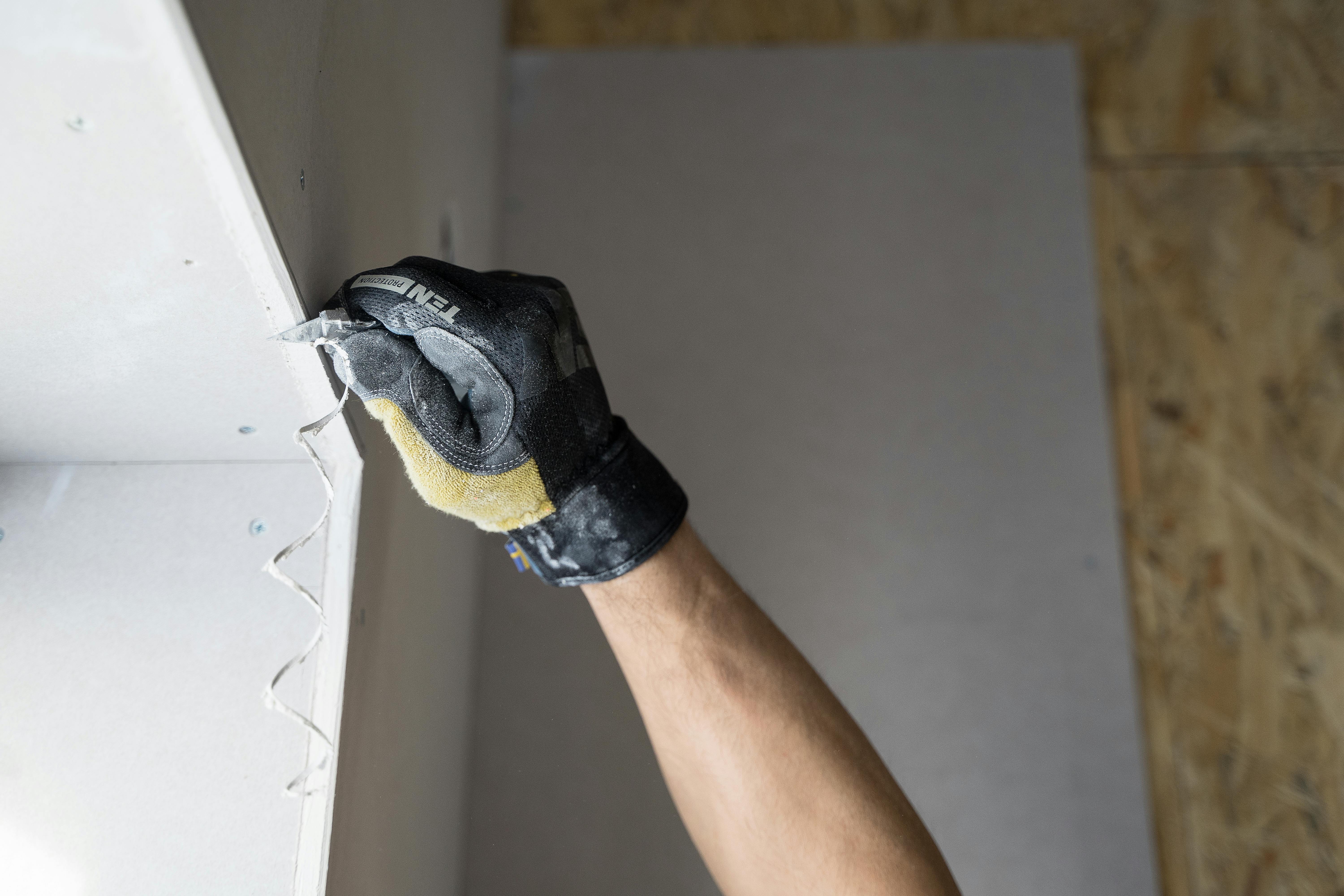
Drywall panels are cut to size and attached to the framework using screws. Proper alignment is crucial to minimize gaps and ensure stability.
3. Taping and Mudding
Contractors apply joint compound and tape over seams and screws. This step may be repeated multiple times to achieve a smooth surface.
4. Sanding
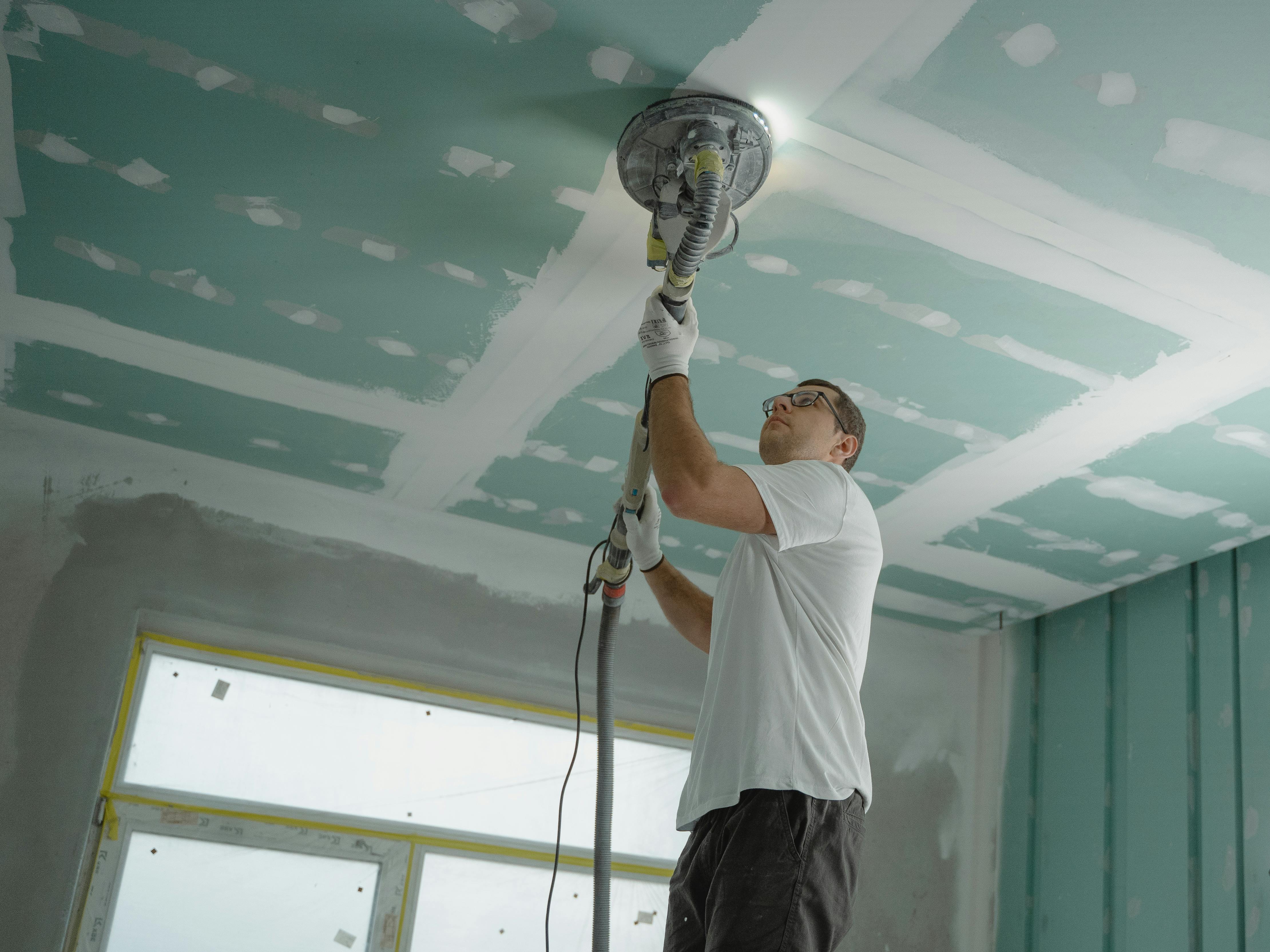
Once the compound dries, the surface is sanded to create a flawless finish, ready for painting or texturing.
Common Drywall Issues and Simple Solutions
Even with professional installation, drywall can develop problems over time. Here’s how to identify and address common issues:
Cracks
Solution: Use a flexible joint compound to fill hairline cracks. For larger cracks, applying new tape and mud may be necessary.
Nail Pops
Solution: Drive the nail back into the stud and cover with joint compound. Alternatively, replace with drywall screws.
Water Damage
Solution: Identify and fix the source of the water leak, then replace the damaged drywall. Mold-resistant drywall is recommended in moisture-prone areas.
Why Choose Mega Fame Drywall LLC in Matawan, NJ?
As a leading drywall contractor in Matawan, NJ, Mega Fame Drywall LLC offers expert services tailored to your needs. Our team simplifies the drywall process, ensuring your home renovations are seamless and stress-free. Whether you're building new walls or repairing existing ones, our expertise guarantees satisfaction.
Conclusion
Understanding drywall basics empowers homeowners to engage effectively in home renovation projects. If you're planning a drywall installation or repair in Matawan, NJ, Mega Fame Drywall LLC is here to assist. Our professional service ensures quality and precision, turning your vision into reality.
For more information or to schedule a consultation, contact us today. Together, we can transform your home with expert drywall solutions.